

# Gallo Vrgorac: What the Name Means at Table
Vrgorac sits in the Dalmatian hinterland, a few kilometers from the Neretva delta, surrounded by vineyards and karst. Gallo, the restaurant at Hebrangova 34 in Zagreb, sits in a hidden courtyard behind an iron gate. The two are not the same place. But the thread between them is real: Dalmatian wine, Adriatic fish, and the kind of cooking that does not explain itself. This post is for anyone who searched "gallo vrgorac" and landed here wondering what connects them.
Vrgorac and the Dalmatian Table
Vrgorac is not a coastal town. It does not have a port or a fish market. What it has is land that remembers the sea: limestone soil, dry summers, and grapes that carry salt in their skin.
The wines from the Vrgorac area, made largely from Kujundžuša (a local white grape) and some Plavac Mali, are not the wines you find on every restaurant list. They are specific. They taste like the place they came from. That specificity is exactly what belongs on a table like the one at Gallo.
When Dalmatian wine reaches a Zagreb restaurant, it does not arrive as a souvenir. It arrives as an argument: that the interior of Dalmatia produces something worth drinking, something that holds its own next to Pelješac, Brač, or Korčula.
The wine card at Gallo covers 85 labels across 11 categories. Dalmatia is well represented, including regions and producers from the coast and the hinterland. The logic is the same as the kitchen, and it runs across the full Gallo menu: concrete sourcing, not abstract "Mediterranean inspiration."
What Gallo Means (the Name, the Dish, the Place)
"Gallo" is the Italian word for rooster. The restaurant opened in 2002 as an Italian restaurant in Croatia, and the name has stayed on the door through every change of hand. The current house, run by the Tomlinović family since October 2025, keeps the name and keeps the dish that carries it.
Pjetlić s mlincima (Gallo con mlinci, 35 €) is the signature. Rooster, slow-cooked, served with mlinci, the dried sheets of unleavened dough that are a Central Croatian tradition. The dish is a fusion of Italian naming and Croatian preparation. It is the point where the restaurant's identity sits on a plate.
You do not need to know any of this to enjoy the dish. But if you searched "gallo vrgorac" looking for a connection between a Dalmatian town and a Zagreb restaurant, the name is where it starts.
The Courtyard You Do Not See from the Street
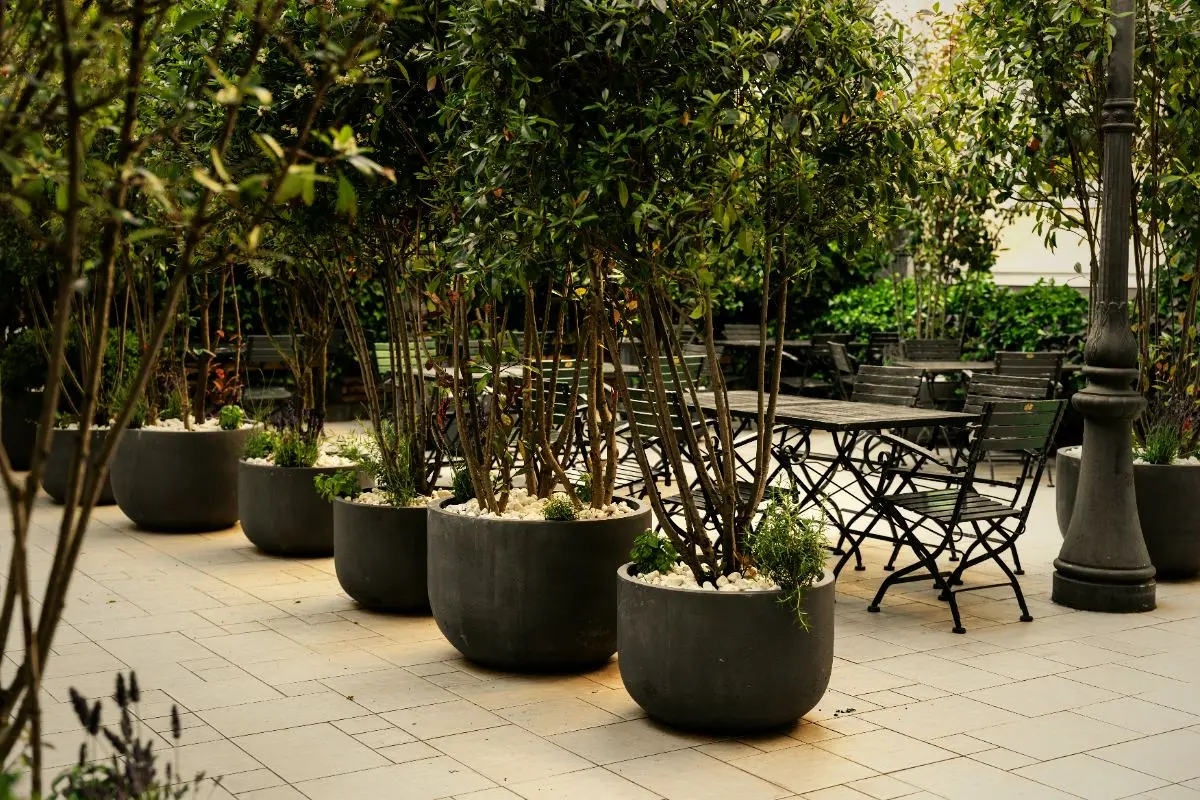
The restaurant is not visible from Hebrangova. You pass through the gate of the Castellum building and the courtyard opens in front of you: brick, stone, a terrace in summer, a sala with arched ceilings in winter.
This is not a design choice made for atmosphere. The building was already there. The restaurant fits inside it the way a table fits inside a room. The space does not announce itself. Neither does the cooking.
"Restoran ne vidite s ulice. Ulazi se u dvor." The restaurant is not visible from the street. You walk into the courtyard.
Twenty-three years on the same address. The courtyard does not change. The menu moves with the season.
Fish from the Adriatic, Not from a Box
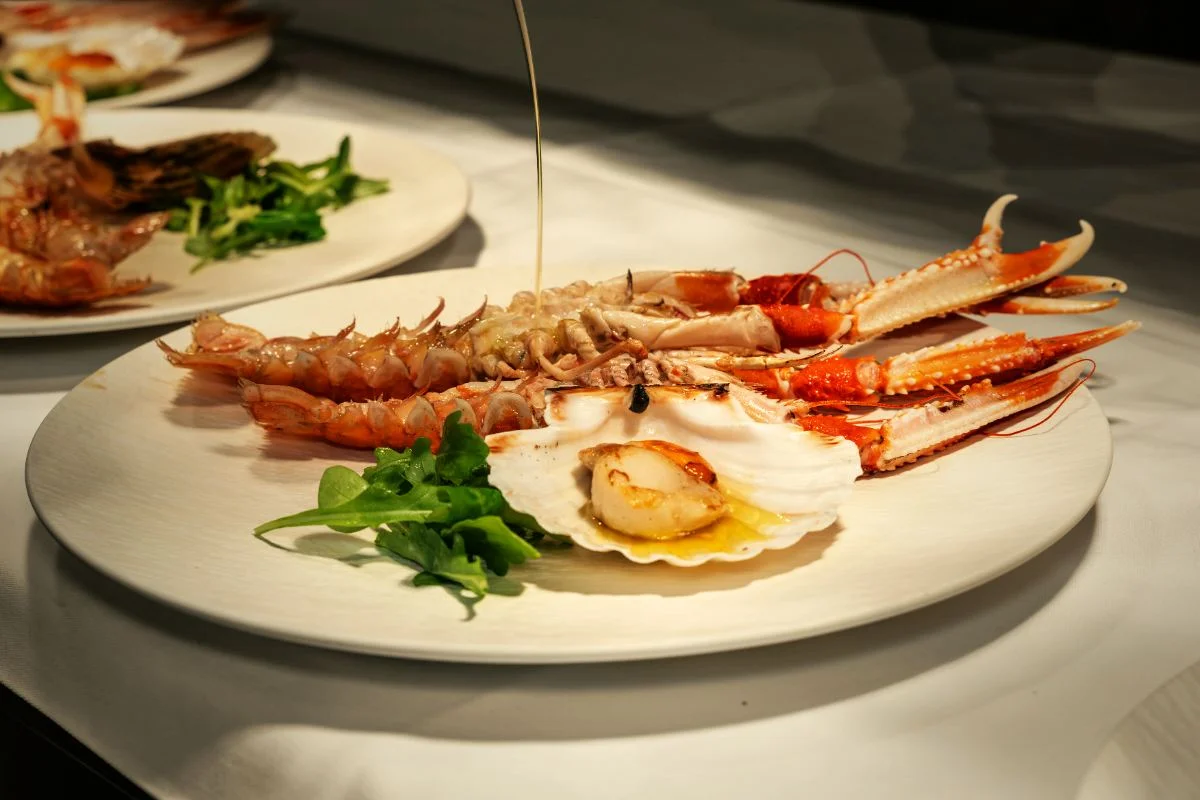
Vrgorac is close to the sea. Gallo is not. But the fish on the plate at Hebrangova travels from the Adriatic, not from a warehouse. Škarpina, kovač, brancin, orada: the names on the menu change with what is available.
The gregada (€125/kg) is a Dalmatian fish stew, slow and layered. It does not need introduction to anyone who has sat at a table on Hvar or Brač and watched it come out of a clay pot.
The ikejime fish (€85/kg) uses a Japanese technique for humane, precise killing that preserves the muscle and improves the texture of the meat. It is on the menu because it produces a better result. That is the full explanation.
Fish cooking does not need adjectives. It needs sourcing and timing. Both happen before you sit down.
What to Order If You Come Once
If this is your first table at Gallo, the path is not complicated.
Start with something cold: the tuna tartare or the octopus salad, depending on the season. Both are from the sea.
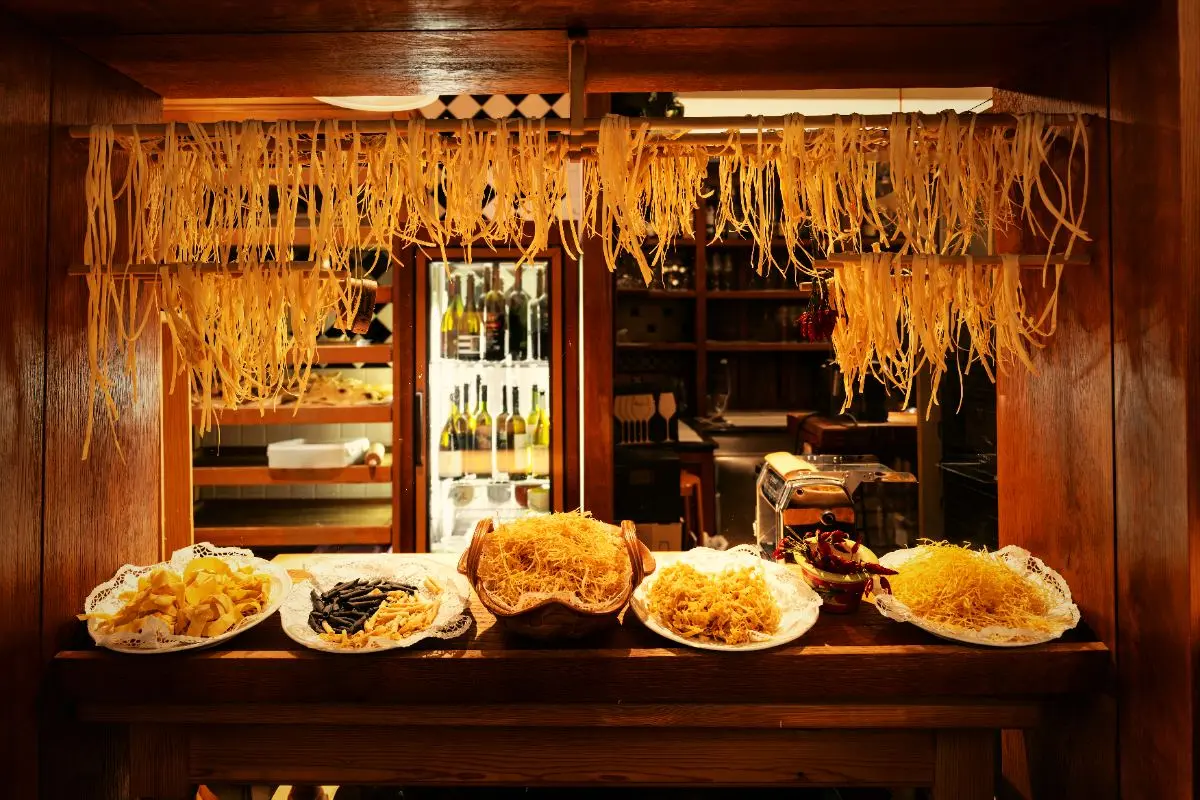
Move to pasta. The black fuži with truffles is the kitchen in one dish: hand-rolled Istrian pasta, black truffle, the kind of preparation that takes longer to make than to eat. Pasta at Gallo is rolled by hand every morning.
If you want meat, the pjetlić s mlincima is the honest order. It is the name on the door, on the plate.
Wine: ask what is open by the glass. Seventeen labels are available by the glass (0.125 l). The list runs from Croatian whites to Champagne. Something from Dalmatia is usually there.
The kitchen closes at 22:00. The restaurant opens at 12:00, Monday through Saturday. Sunday is closed.
Reservations: book before you come. The courtyard is not large, and the tables fill.
— Frequently asked —
- What is the connection between Gallo and Vrgorac?
- Gallo is a Zagreb restaurant on Hebrangova 34, open since 2002, with a Dalmatian-influenced kitchen. Vrgorac is a town in the Dalmatian hinterland known for its wine and its position near the Adriatic. The connection is culinary: Dalmatian fish, coastal wines, and the kind of cooking rooted in the Croatian south.
- What does 'gallo' mean in Italian?
- Gallo means rooster in Italian. The restaurant takes its name from this word, and the signature dish, Pjetlić s mlincima (Gallo con mlinci, 35 €), is a direct reference: rooster slow-cooked and served with mlinci, traditional dried pasta sheets from Central Croatia.
- Where exactly is Gallo restaurant in Zagreb?
- Gallo is at Hebrangova 34, Zagreb, inside the courtyard of the Castellum building. The restaurant is not visible from the street. You walk through the gate and the courtyard is in front of you.
- Does Gallo serve Dalmatian wine?
- Yes. The wine card covers 85 labels across 11 categories, with strong representation from Dalmatian regions including Pelješac, Korčula, Brač, and the Dalmatian hinterland. Seventeen wines are available by the glass.
- Is the fish at Gallo fresh from the Adriatic?
- The fish on the menu comes from the Adriatic. The selection changes with availability: škarpina, kovač, brancin, and orada appear regularly. The menu reflects what is current, not what is fixed.
- When is Gallo open?
- Gallo is open Monday through Saturday, 12:00 to 24:00, with the kitchen serving until 22:00. The restaurant is closed on Sundays.
- Do I need a reservation at Gallo?
- A reservation is advised. The courtyard inside Castellum is not large, and the restaurant fills, particularly in the evening. You can book via the Google Reserve link on the Gallo website.
- What is the signature dish at Gallo?
- The signature is Pjetlić s mlincima, also listed as Gallo con mlinci (35 €). It is rooster, slow-cooked, served with mlinci: dried unleavened dough sheets traditional to Central Croatia. The dish is a direct reference to the restaurant's name.